Line editing
A copy edit makes a sentence correct. A line edit makes it land. Most drafts need the second one more than they need the first, and get it last.
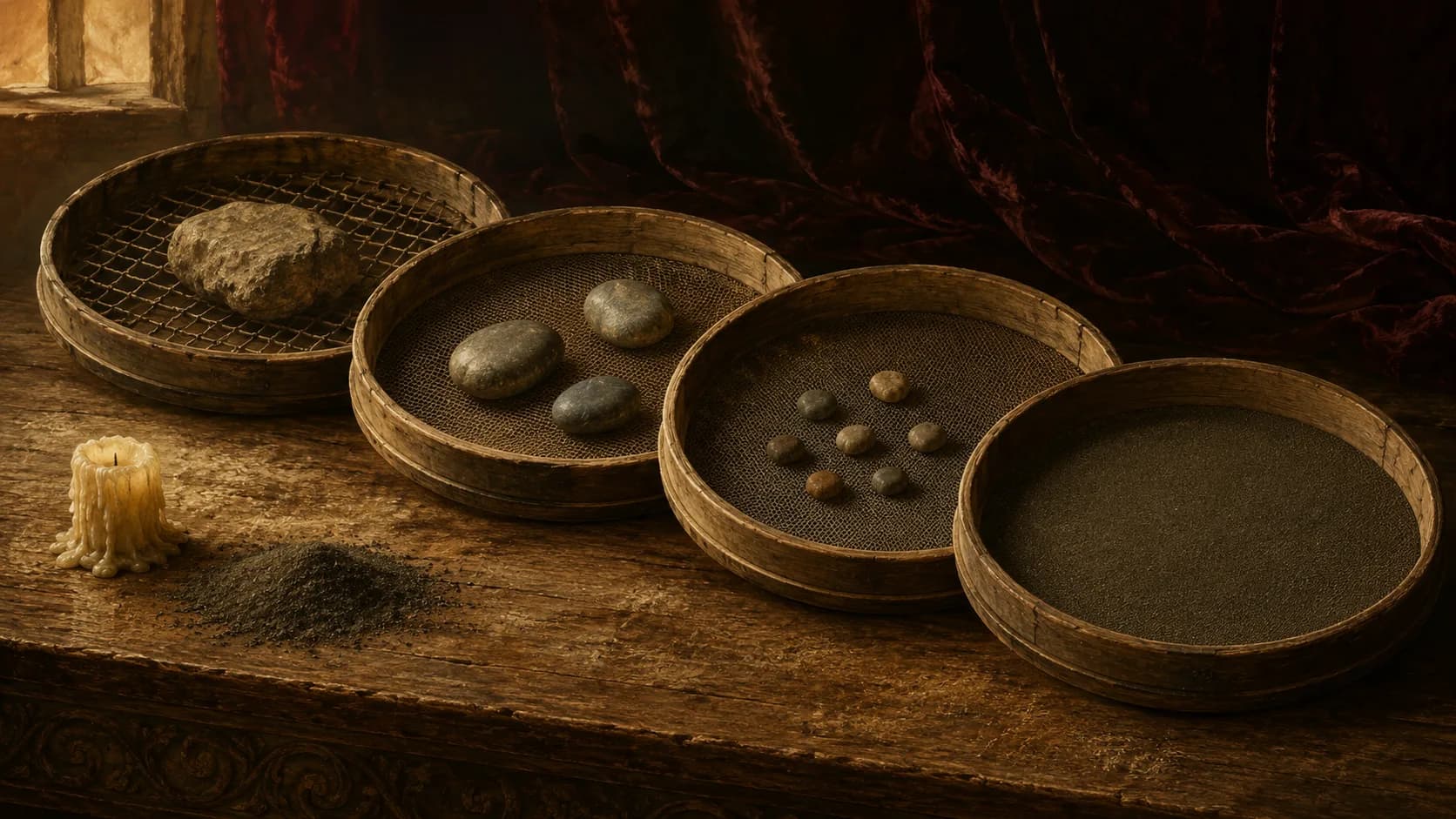
What a line edit changes
Line editing works on how your sentences land. Rhythm. Repetition. Word choice, where a paragraph breaks, how much of a thought you are handing the reader and how much they were going to work out for themselves anyway. It leaves the plot alone, and it leaves the commas to somebody else.
That is the middle of a range, and the edges are argued over. Ask ten editors where a line edit stops and a copy edit starts and the answers will overlap, so the term feels slippery to a writer trying to hire one. The middle is not in dispute. A note about whether a sentence is correct is a copy edit. A note about whether the sentence is doing what you wanted is a line edit.
Order matters more than the label. A line edit on a draft whose structure is still moving is money spent on sentences you are about to cut, and that is the commonest expensive mistake in self-publishing. Fix the book. Then fix the prose. Then fix the errors.
The four levels of editing, and what each costs
Ranges published by the Editorial Freelancers Association and by working fiction editors, in US dollars. Marketplace and offshore rates run below the bottom of these bands, sometimes at half. Plenty of editors quote per thousand words, hourly or per project instead.
| Level | What it changes | When it happens | Commonly quoted rate |
|---|---|---|---|
| Developmental edit | Structure, plot, character, what the book is about | On a complete draft, before any sentence is polished | 3 to 10 cents a word |
| Line edit | Rhythm, clarity, repetition, word choice, voice | Once the structure has stopped moving | 3 to 8 cents a word |
| Copy edit | Grammar, spelling, consistency, house style | After the prose is settled | 2 to 5 cents a word |
| Proofread | Typos and layout faults in the typeset pages | Last, on the proof, when nothing else will change | 1 to 3 cents a word |
Two things the table hides. Most freelancers sell a combined line and copy edit rather than either alone, and a manuscript critique, which is an editor's letter on the whole book with no marked-up pages, runs to a few hundred dollars rather than a few thousand. That is the option most first novelists actually want.
Six things a line editor marks
None of these is an error. A copy editor would pass every sentence below and a proofreader would find nothing to mark, and a reader would still put the book down early without being able to tell you why.
Repetition you cannot hear
You wrote the same word twice in four lines and your ear stopped registering it a long time ago. Nouns are the worst offenders because they feel neutral. A reader meeting door three times in a paragraph stops thinking about doors and starts thinking about the writing. That is the whole cost of it.
Filter words
She felt the cold. He noticed the door was open. It seemed to be raining. Each one puts a pane of glass between the reader and the thing, and each one comes out: the cold came up through her boots, the door was open, it was raining. Cut the filter and the sentence gets shorter and closer at once.
Sentences that are all one length
Four sentences of eighteen words in a row will put a reader to sleep whatever is inside them. It stays invisible while you write and turns obvious the moment somebody reads the page aloud. The fix is rarely rewriting. It is joining two and cutting one.
Explaining the line you have already written
The strongest sentence in a paragraph is often followed by a weaker one restating it, because the writer did not trust it. The test is quick. If the paragraph still works with the second sentence gone, that sentence was insurance.
The dead metaphor
Heart pounding, blood running cold, a knot in her stomach. None of these is wrong and none of them is read either, because a reader's eye passes over them the way it passes over a page number. Sound words go the same way once a page carries too many, which is covered under onomatopoeia. They cost nothing to write, which is exactly the problem.
Tags doing the work of the line
She snarled, he retorted, they interjected. A tag carrying the emotion is usually propping up dialogue that has not earned it, and the fix lives in the speech rather than in the verb. There is a whole page on this at dialogue tags. It is the most common line-level note in fiction.
One paragraph, line edited
Most pages on this subject describe a line edit rather than showing one. Here is a paragraph that is competent, correct, and doing about half the work it could.
Drag to compare original and revised text
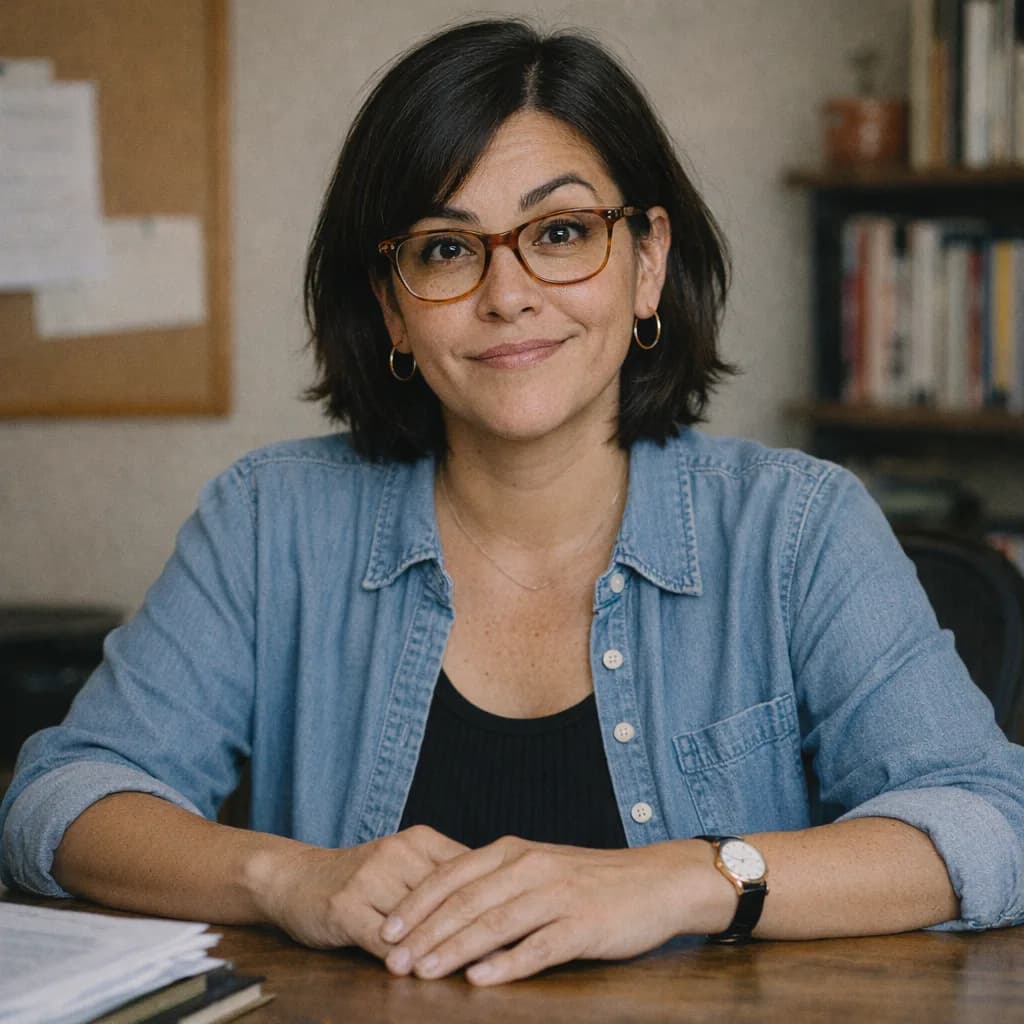
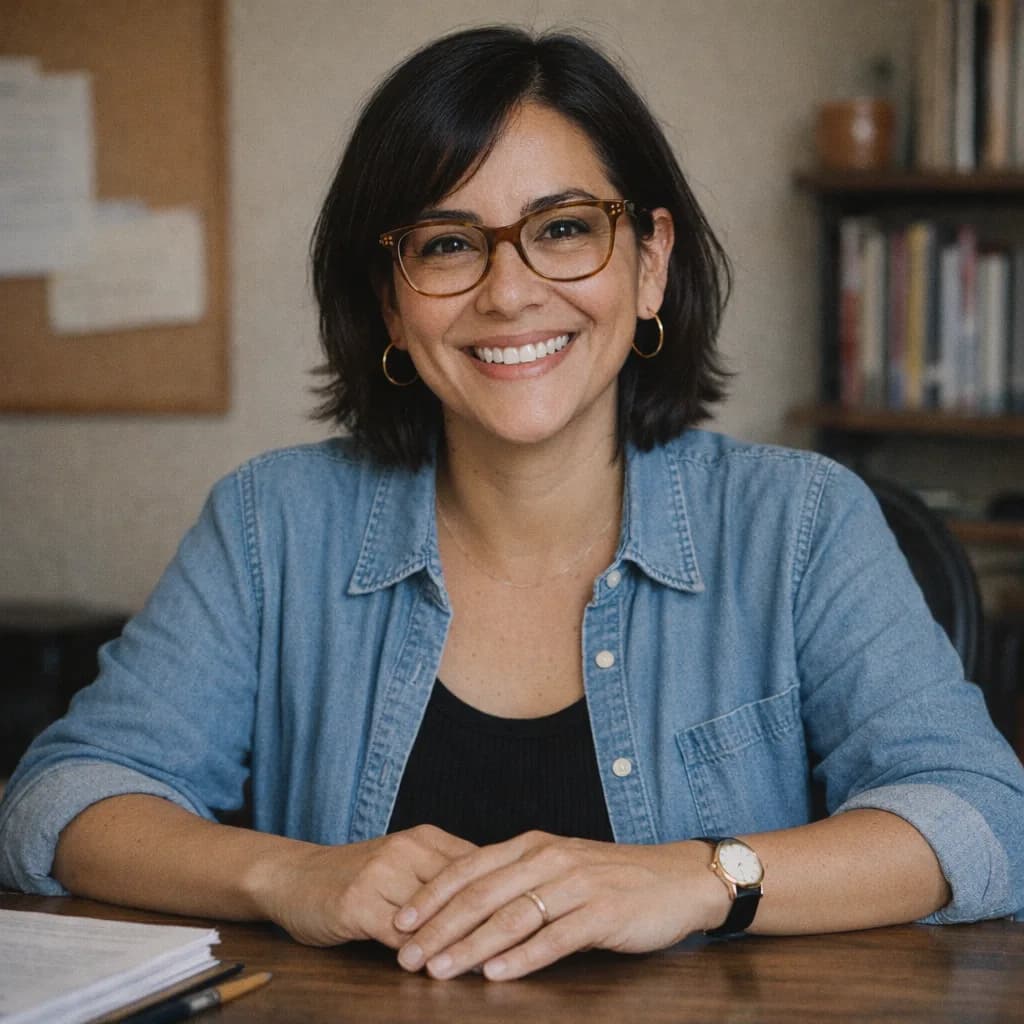
Elena is one of the Prosematter editors. That is the kind of note she leaves on a page of prose.
Line editing your own draft
Most first novels go without a paid line edit. What follows is what helps when the editor is you.
Read it aloud. Not in your head. Out loud, at reading speed, because every fault above announces itself when a sentence has to be spoken and none of them announces itself on a screen. Where you stumble, mark it and move on. Where you run out of breath, the sentence is long. Where you get bored of your own voice, so did the reader.
Then take one pass per problem rather than one pass for everything. A pass for repeated nouns. A pass for filter words. A pass reading only your first and last sentences, which is where restatement collects. Trying to catch six things at once means catching the first one and the easy ones, and the sweep goes faster than it sounds because you are looking for a shape rather than reading for sense.
Leave the structure alone while you do it. If a line edit keeps turning into a rewrite of the scene, the scene is the problem, and no amount of sentence work will fix it. Stop. Note it. Come back after, because the order in that table is the order for a reason and working out of sequence is how a draft gets polished into a shape it should not have kept.
One more, and it is the hardest to do to your own prose. A line edit hunts for sentences that are merely acceptable rather than for bad ones, and acceptable is much harder to see, because nothing about it stops you as you read.
Before you rule out paying anyone, ask for a sample. Most freelance editors will line edit a thousand words free. Do not send your opening: it is the most rewritten page in the book and an editor will find little there. Send a middle chapter, where the prose is softest, and put two or three samples side by side.
Prosematter's editors do the same pass and leave the notes in the margin against the paragraph that prompted them. Pricing is on the editors page. What it will not do is replace a human line editor on a book you are about to sell, and a tool telling you otherwise is selling you something.
Questions & Answers
- What is line editing?
- Editing that works on how sentences land rather than on whether they are correct. A line editor marks repetition, rhythm, word choice, filter words, and the places where you explained something the prose had already done. It happens after the structure is settled and before the copy edit.
- What is the difference between line editing and copy editing?
- A line edit is stylistic. A copy edit is technical. The line editor asks whether the sentence does what you wanted it to do, and the copy editor asks whether it is correct, consistent, and spelled the way the rest of the book spells it. Editors argue about the boundary and agree about the middle.
- Is proofreading the same as line editing?
- No. They sit at opposite ends of the process. Proofreading is the last pass, on typeset pages, hunting typos and layout faults, while a line edit happens long before that, on a manuscript, and changes how the prose reads rather than correcting it.
- How much does a line edit cost?
- Freelance editors commonly quote 3 to 8 cents a word, so a 90,000-word novel runs to four figures. Many sell a combined line and copy edit rather than either alone, and many quote per thousand words or per project rather than per word. A manuscript critique costs far less and is often the better first purchase.
- Do I need a line edit?
- If the structure is settled and readers enjoyed it without being able to say why they put it down, yes. If beta readers are still arguing about what happens, you need a developmental edit first, and a line edit now would polish sentences you are about to cut.
- How do you find a good line editor?
- Ask three for a sample edit, which most will do free, and send a middle chapter rather than your opening: the first page is the most rewritten in the book and tells you least. The Editorial Freelancers Association and the Chartered Institute of Editing and Proofreading both list members. Before you commit, agree what you receive, a marked manuscript or an editorial letter or both, and the turnaround.
See the notes on your own page
The editors read a chapter end to end and mark the passages that need attention, against the paragraph that prompted them.
Read about the editorsAbre un capítulo. Todo lo que necesita ya está al lado.
El reparto, los lugares, las reglas que inventaste, la nota que te dejaste en noviembre. Nada que buscar, nada que sincronizar a mano — y sin esa fricción, los días que escribes empiezan a sumar.